
How the scam works
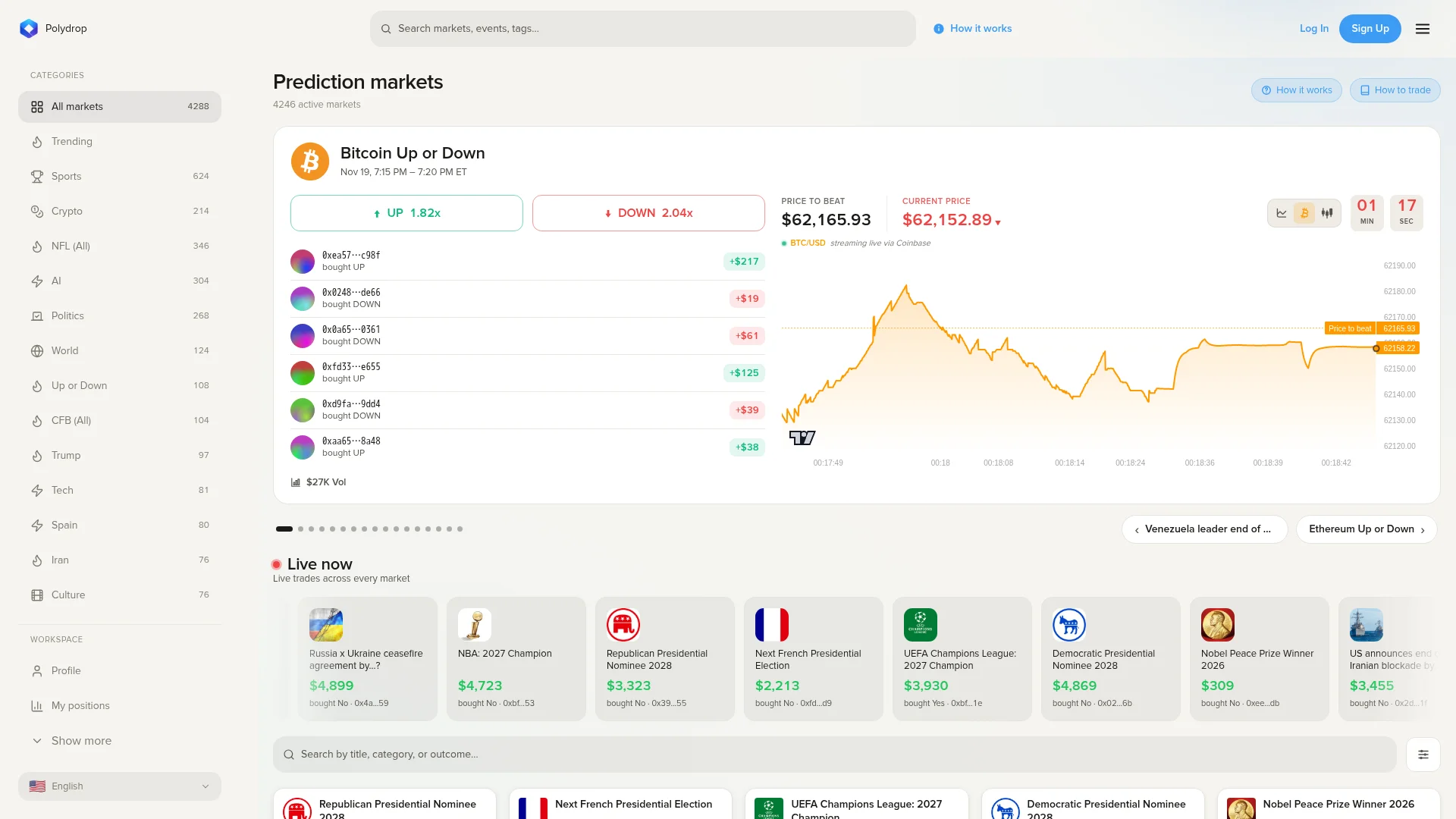
The market dashboard gives the setup a different appearance from a slot casino. Bitcoin price charts, event odds and an account balance can make a promised bonus look like money ready to withdraw. They do not prove that a payout is available.
- A deposit becomes a verification step. The application includes a process that tells the user to add funds to finish verification and unlock withdrawals.
- Another withdrawal block can follow the payment. Operator controls describe a sequence that advances to the next error when the current stage’s deposit amount is met. This is a multi-step fee mechanism: paying one demand is no assurance that it is the last.
- An AML check becomes a wallet-access trap. A separate form asks for 12, 18 or 24 recovery words and is programmed to send them to the site. Those words can unlock the wallet itself, not just the balance displayed on Polydrop.
These mechanisms were found in Pdrop’s public application files. We did not create an account, send a deposit or observe a completed customer withdrawal.
The evidence behind the warning
The warning rests on Pdrop's own verification, withdrawal and wallet-access code. Domain records and antivirus detections add context; they are not the reason for calling the setup a scam.
Which services flagged the domain?
 Gridinsoftsuspicious
The November 20, 2026 snapshot lists one suspicious alert out of 92 engines.
Snyfer's exact-domain report reached the Polydrop markets page and recorded the domain and security data shown here. It did not identify a named scam cluster.
The Polydrop prediction-market front
Pdrop uses the Polydrop name, a blue-and-white dashboard, a Bitcoin Up or Down chart and markets covering sports, politics and crypto. Its public settings allow the brand, domain and visual variant to be changed. A professional-looking market screen is not evidence that the displayed balance can be withdrawn.
The payment and wallet traps in Pdrop's code
The public files show more than a generic warning about a new domain. They contain specific mechanisms for requesting extra funds and wallet recovery words.
More money to finish verification
The verification copy says a deposit completes the check automatically once credited. Nearby wording links verification to unlocking withdrawals. This turns a purported security check into a payment demand.
Make a deposit of {amount} or more
This message is delivered in Pdrop's public Polydrop application; its presence is a code finding, not a record of a deposit we made.
Paying can move you to the next error
The application also ships operator-interface controls for ordering withdrawal stages and enabling automatic advancement. Its English explanation says that meeting the current stage's deposit amount moves the client to another withdrawal error. It is a configurable chain, not a promise that the next payment releases the funds.
they move to the next error
An AML form asks for the keys to your wallet
A separate AML component offers 12, 18 and 24-word entry, validates recovery words and prepares a request sending those words to the site. It also displays a CertiK label. A security brand name does not make handing over a wallet backup a legitimate verification step.
Enter Your Seed Phrase
As Trezor's phishing guidance explains, someone who gets your wallet backup can move the funds; a website asking for those words should not receive them.
The non-custodial claim does not fit that form
The policy describes a software service that does not access users' private keys. That assurance conflicts with an application component designed to collect the recovery words that can restore a wallet.
Pdrop makes those private-key assurances in its published terms; a policy statement does not neutralise the seed-phrase form in its code.
Never enter your wallet's seed phrase into Pdrop. It can expose the wallet itself, not just the balance shown on Polydrop.
The reusable template behind Polydrop
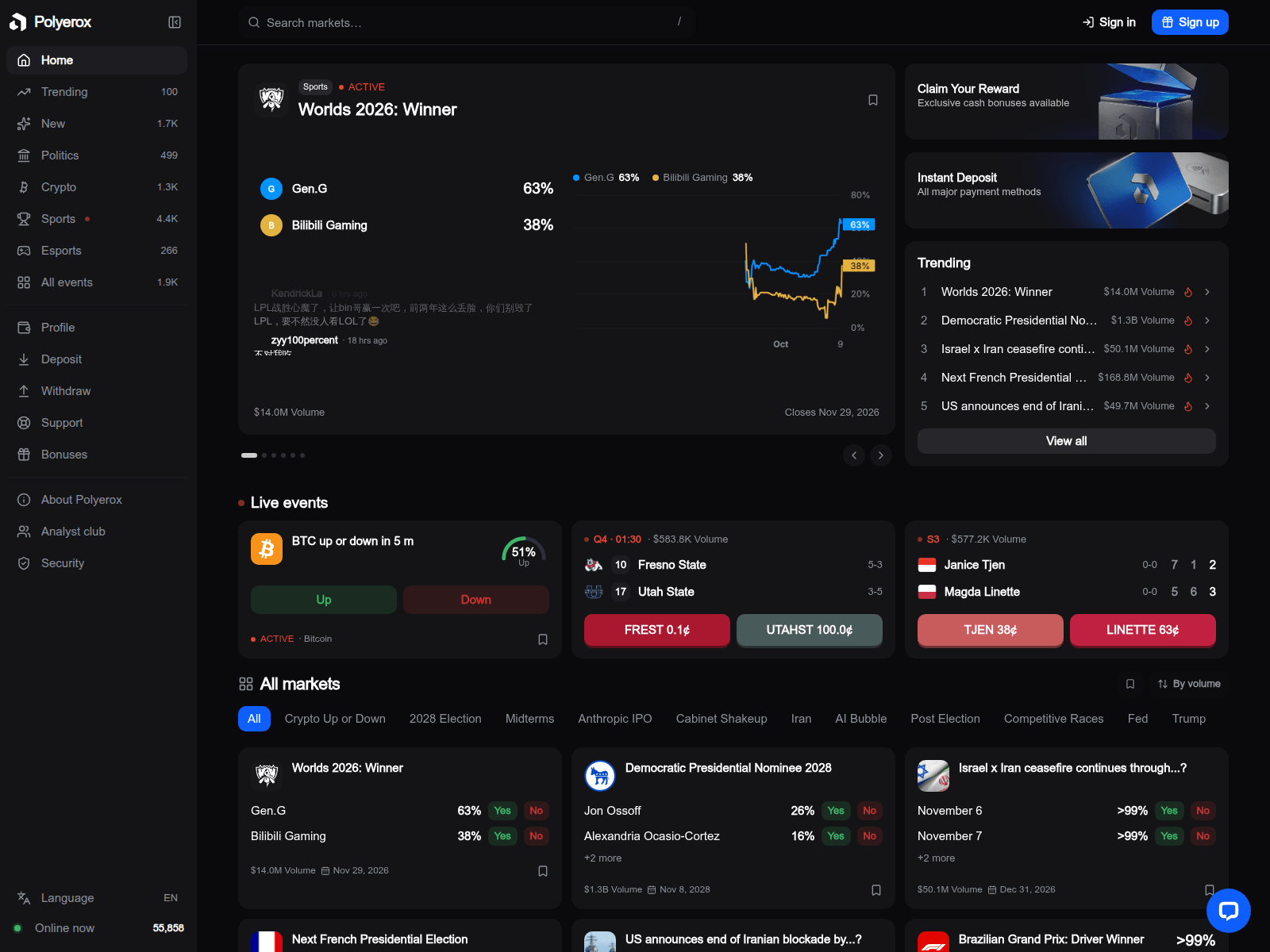
Configurable branding and withdrawal-stage controls are evidence of a reusable application. The closest archived presentation in our comparison is the Polyerox prediction-market front, but we did not authenticate a shared build or connect Pdrop to Gambler Panel. The fee and seed-phrase findings stand on Pdrop's own code, regardless of who supplied the template.
The comparison uses the genuine November 11 Polyerox archive, rather than treating today's Pdrop page as an identical copy.
Already paid or shared your seed phrase?
Stop paying, save the advert, messages, recipient addresses and transaction hashes, and report the payment immediately to your bank, card provider or crypto exchange. If you shared recovery words, treat the wallet as compromised and secure remaining funds in a new wallet with a fresh backup, following your wallet maker’s official procedure. Changing a Polydrop password cannot invalidate exposed recovery words; change reused passwords too.